

Managing multiple medications for older adults in Palm Coast, Flagler Beach, and Ormond Beach can feel overwhelming. With medication errors injuring over 1.5 million Americans annually, seniors face the highest risk due to age-related changes and polypharmacy. This guide provides practical steps for caregivers to improve medication management effectiveness and safety, reducing confusion and preventing dangerous mistakes. You’ll learn how to organize prescriptions, recognize warning signs, and work effectively with healthcare teams to protect your loved one’s health.
Table of Contents
- Understanding The Challenges Of Geriatric Medication Management
- Tools And Preparation For Effective Medication Management
- Step-By-Step Medication Management For Caregivers
- Verifying Medication Safety And Troubleshooting Common Issues
- How Senior Concierge Can Help With Medication Management
- Frequently Asked Questions
Key takeaways
| Point | Details |
|---|---|
| Medication errors cause significant harm but are largely preventable | Simple organizational strategies and awareness reduce risks dramatically |
| Older adults face higher risks due to multiple medications and health conditions | Polypharmacy affects over 40% of seniors, increasing adverse events |
| Organized strategies and interdisciplinary healthcare improve medication safety | Collaboration with doctors, pharmacists, and care managers optimizes outcomes |
| Deprescribing and regular reviews reduce risks of polypharmacy | Systematic discontinuation of unnecessary drugs aligns with patient goals |
| Caregivers play a critical role in managing complex medication regimens | Daily monitoring and communication prevent errors and hospitalizations |
Understanding the challenges of geriatric medication management
Polypharmacy, defined as the use of five or more medications simultaneously, affects a significant portion of older adults and dramatically increases risks. Research shows that polypharmacy leads to 30% higher mortality and 61% more hospitalizations among seniors. The combination of multiple prescriptions, over-the-counter drugs, and supplements creates a complex web where drug interactions become increasingly likely and difficult to predict.
Age-related physiological changes compound these medication challenges substantially. Metabolism slows, kidney function declines, and liver efficiency decreases, all affecting how the body processes medications. Memory lapses make it harder to remember schedules, while vision problems can lead to reading labels incorrectly. Coordination difficulties increase the risk of spilling medications or struggling with childproof caps, adding physical barriers to safe medication use.
Older patients frequently experience multiple diseases requiring collaborative care from various specialists. A senior might see a cardiologist for heart disease, an endocrinologist for diabetes, and a neurologist for cognitive decline. Each specialist may prescribe medications without full awareness of what others have prescribed, creating potential duplications or dangerous interactions. This fragmented care model puts caregivers in the critical position of coordinating information across multiple providers.
Common senior medication challenges include:
- Taking medications at incorrect times or with wrong foods
- Missing doses due to confusion about complex schedules
- Continuing medications that are no longer necessary
- Experiencing side effects mistaken for new health problems
- Duplicating medications prescribed by different doctors
“The elderly population is particularly vulnerable to medication errors due to the high prevalence of chronic diseases requiring multiple medications and age-related physiological changes affecting drug pharmacokinetics.”
Consider a typical case: an 82-year-old woman takes 12 medications daily for hypertension, diabetes, osteoporosis, depression, and insomnia. Some pills must be taken with food, others on an empty stomach. Timing matters for effectiveness, yet the schedule becomes so complicated that errors become inevitable without robust organizational systems. Additional information on senior medication risks demonstrates how quickly these situations can deteriorate without proper management.
Now that you understand the risks and complexity, let’s prepare the essential tools and knowledge for safe medication management.
Tools and preparation for effective medication management
Creating an accurate, comprehensive medication list forms the foundation of safe management. Document every prescription medication with its name (both generic and brand), dosage, frequency, and prescribing doctor. Include all over-the-counter medications like pain relievers, antacids, and cold medicines. Don’t forget vitamins, minerals, herbal supplements, and topical creams, as these can interact with prescriptions in unexpected ways.
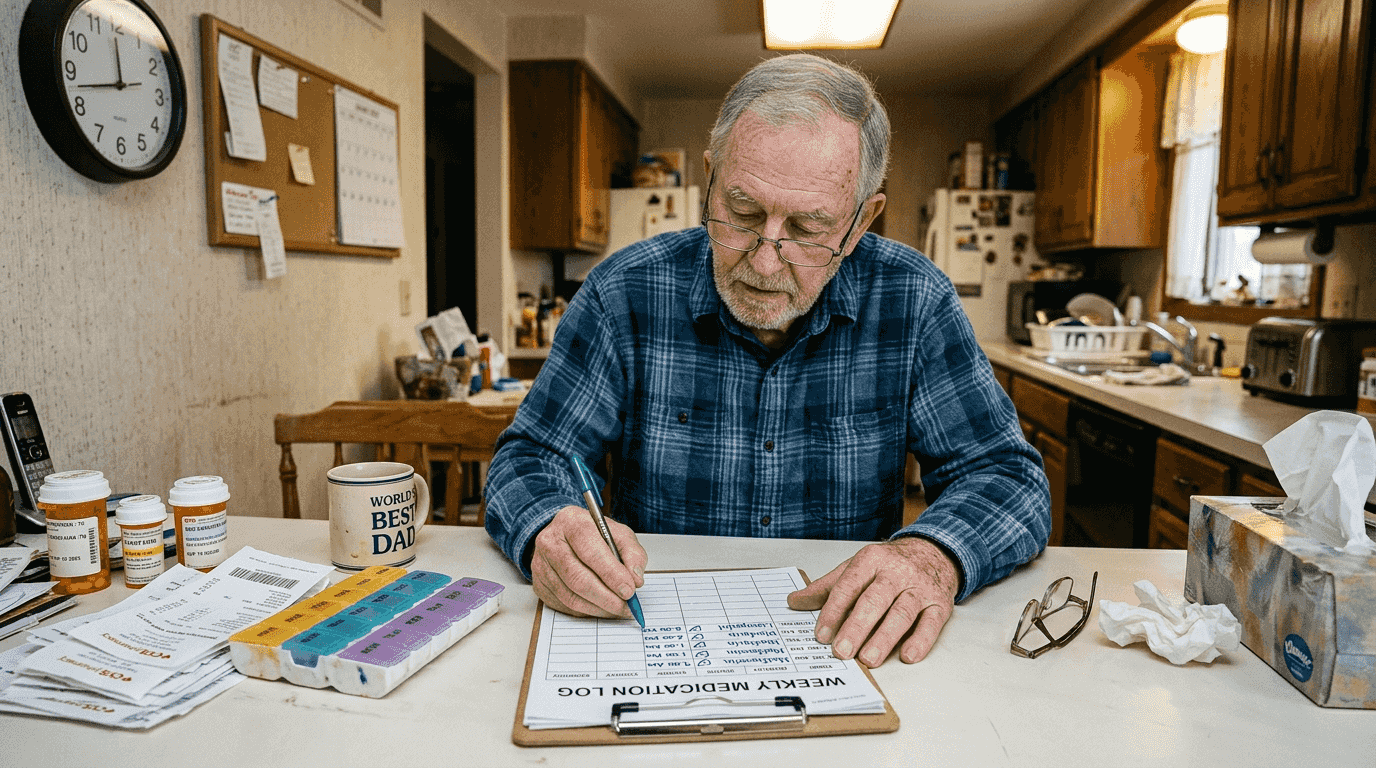
Your medication management toolkit should include several practical items. A seven-day pill organizer with multiple compartments per day helps sort medications by morning, noon, evening, and bedtime. Keep a medication log notebook to record each dose given and any side effects observed. A magnifying glass assists with reading small print on labels, while a pill splitter ensures accurate halving when required. Store emergency contact numbers for all doctors and the pharmacy in an easily accessible location.
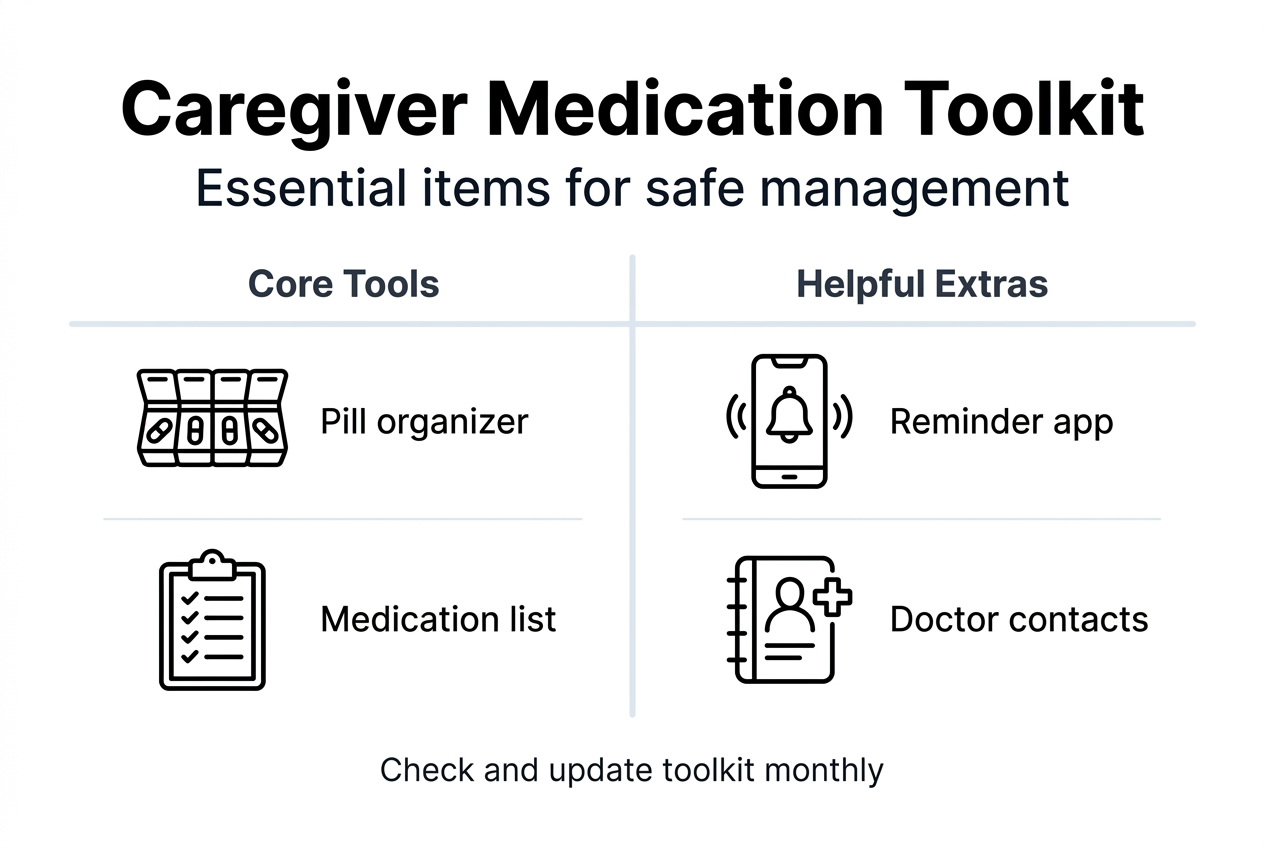
Most medication errors are preventable with simple organizational strategies and awareness. Establish regular communication channels with your healthcare team. Schedule quarterly medication reviews with the primary care physician to discuss whether all medications remain necessary. Build a relationship with a single pharmacy where possible, as pharmacists can catch dangerous interactions when filling all prescriptions through one location. Organizing senior prescriptions becomes manageable with consistent systems.
Create a monitoring system to track effectiveness and side effects systematically:
| What to Monitor | How Often | What to Record |
|---|---|---|
| Blood pressure | Daily if prescribed BP meds | Time, reading, any symptoms |
| Blood sugar | As directed for diabetes | Before meals, bedtime levels |
| Weight | Weekly | Sudden gains/losses indicate fluid or appetite issues |
| Mood and cognition | Daily observations | Confusion, depression, unusual behaviors |
| Physical symptoms | Ongoing | New pains, dizziness, falls, digestive issues |
Pro Tip: Take a photo of all medication bottles together once monthly. This visual record helps during emergency room visits or when seeing new specialists, ensuring nothing gets overlooked in stressful moments.
Prepare for medication administration by establishing a consistent routine. Choose specific times each day that align with meals and other daily activities, making adherence easier. Set phone alarms or use medication reminder apps to prompt administration times. Keep medications in a secure, organized location away from heat, moisture, and direct sunlight, but easily accessible for the caregiver.
With your tools ready, you can confidently move into managing and administering medications correctly.
Step-by-step medication management for caregivers
Taking medications might seem simple but managing multiple prescriptions quickly becomes confusing. Following a structured approach prevents costly mistakes and protects your loved one’s health. These actionable steps build confidence and create consistency in your daily caregiving routine.
Verify before every dose. Check the medication name against your list, confirm the dosage matches the prescription label, and ensure you’re giving it at the correct time. Never assume you remember correctly. This five-second verification step prevents the majority of administration errors.
Use organizational systems religiously. Fill pill organizers weekly at the same time, preferably when you’re alert and free from distractions. Double-check each compartment against your master list before closing it. Cross-reference with prescription bottles to catch any pharmacy errors in dispensing.
Follow administration instructions precisely. Some medications require food to prevent stomach upset, while others need an empty stomach for proper absorption. Certain pills shouldn’t be crushed or split. Water is usually best for swallowing medications, but some require milk or juice. Check each medication’s specific requirements.
Document immediately after giving each dose. Mark it off on your log before moving to the next task. Memory fails quickly when interrupted. This record becomes invaluable when doctors ask about compliance or when investigating new symptoms.
Observe for 30 minutes after administration. Watch for immediate reactions like difficulty swallowing, rashes, or breathing problems. Note any complaints of nausea, dizziness, or unusual sensations. Early detection of adverse reactions allows for faster medical intervention.
Schedule regular medication reviews with healthcare providers. Research indicates that polypharmacy increases mortality by 30% and hospitalization by 61%. Quarterly reviews identify medications that can be discontinued, reducing these risks substantially.
Pro Tip: Create a “medication passport” that your loved one carries in their wallet. Include current medications, allergies, emergency contacts, and medical conditions. This one-page document proves lifesaving during emergencies when you’re not present.
Handle missed doses carefully by following prescriber guidance. Generally, if you remember within an hour or two, give the missed dose. If it’s closer to the next scheduled dose, skip the missed one and continue normally. Never double up doses to compensate unless specifically instructed by a doctor. Document all missed doses and discuss patterns with healthcare providers, as frequent misses may indicate schedule adjustments are needed.
Maintain clear communication channels with all prescribers. Inform each doctor about medications prescribed by others. Ask questions about new prescriptions: Why is this needed? How long will it be taken? What side effects should we watch for? Can it interact with current medications? Doctors appreciate engaged caregivers who help ensure comprehensive care. Explore safe medication practices for additional guidance on working with healthcare teams.
After following these steps, it’s important to verify effectiveness and troubleshoot common issues.
Verifying medication safety and troubleshooting common issues
Recognizing adverse drug reactions quickly prevents serious complications. Watch for sudden changes in mental status, including increased confusion, unusual drowsiness, or agitation. New or worsening dizziness and balance problems may indicate blood pressure medications are too strong. Digestive issues like nausea, diarrhea, or constipation often signal medication problems. Skin rashes, itching, or swelling require immediate medical attention as potential allergic reactions.
Statistics reveal that medication errors cause 1 in 131 deaths outside hospitals, underscoring the importance of verification. Common mistakes caregivers make include:
- Assuming all prescriptions are still necessary without questioning
- Failing to update medication lists when changes occur
- Ignoring “minor” side effects that actually indicate serious problems
- Using outdated medications past expiration dates
- Storing medications improperly, reducing effectiveness
- Not communicating with all healthcare providers about the complete medication list
Compare different strategies for handling common medication challenges:
| Challenge | Less Effective Approach | More Effective Approach |
|---|---|---|
| Forgot if dose was given | Guess or skip | Use medication log and physical check of pill organizer |
| Side effect appears | Wait and see | Contact prescriber same day, document symptoms |
| Medication tastes bad | Force it or mix with food | Ask pharmacist about flavoring options or alternative forms |
| Difficulty swallowing pills | Cut or crush without checking | Verify with pharmacist if crushing is safe, explore liquid alternatives |
| Conflicting instructions from different doctors | Follow most recent | Contact all providers to reconcile and clarify |
Use a daily verification checklist to ensure consistency:
- All medications given at correct times today
- No doses missed or duplicated
- Side effects monitored and documented
- Any new symptoms reported to healthcare provider
- Medication supply checked (reorder if less than one week remaining)
- Storage conditions appropriate (cool, dry, away from light)
“Deprescribing, the systematic discontinuation of medications that are no longer needed or causing harm, should be aligned with patient goals and regularly reviewed to reduce polypharmacy-related risks.”
Understanding when to seek professional help protects your loved one and reduces caregiver stress. Deprescribing aligned with patient goals is key to reducing polypharmacy risks. Contact healthcare providers immediately if you notice severe side effects, multiple missed doses creating health deterioration, confusion about medication instructions despite repeated clarification attempts, or dramatic changes in the senior’s condition.
Recognizing medication issues early prevents emergency situations. Signs that professional geriatric care management might help include medication regimens exceeding 10 prescriptions, frequent hospitalizations despite compliance, cognitive decline making self-administration impossible, or caregiver burnout from complex management demands. Professional care managers specialize in coordinating complex medical situations and can dramatically improve outcomes.
Equipped with verification strategies, you can keep managing medications safely or get help if needed.
How Senior Concierge can help with medication management
Managing complex medication regimens while juggling other caregiving responsibilities often becomes overwhelming. Senior Concierge understands the challenges families face in Palm Coast and surrounding communities. Our experienced geriatric care managers provide personalized support that reduces stress while improving medication safety. We collaborate directly with your loved one’s healthcare providers to optimize medication regimens, identify unnecessary prescriptions, and implement organizational systems tailored to your family’s specific needs.
Our local presence means we understand the healthcare landscape in Palm Coast, Flagler Beach, and Ormond Beach. We know the area hospitals, pharmacies, and specialist practices, creating seamless coordination. Whether you need help implementing medication management systems, want professional oversight of complex regimens, or require crisis intervention when medication problems arise, our elderly care management services provide trusted support. We empower families with the knowledge and tools to maintain independence while ensuring safety and optimal health outcomes for your aging loved ones.
Frequently asked questions
What is polypharmacy and why is it risky for seniors?
Polypharmacy refers to the concurrent use of five or more medications daily, a situation extremely common among older adults with multiple chronic conditions. This practice dramatically increases risks of harmful drug interactions, adverse side effects, and medication errors due to the complexity of managing numerous prescriptions simultaneously. The aging body processes medications differently than younger adults, making seniors particularly vulnerable to accumulating drug effects. Studies demonstrate that polypharmacy contributes to higher hospitalization rates, increased falls, cognitive impairment, and mortality among elderly populations compared to those taking fewer medications.
How can caregivers prevent medication errors at home?
Implement systematic organizational strategies including seven-day pill organizers sorted by time of day, comprehensive medication lists updated with every change, and consistent documentation of each dose administered. Maintain regular communication with all healthcare providers and pharmacists to catch potential interactions before they cause problems. Establish predictable routines for medication administration tied to daily activities like meals. Observe your loved one carefully after giving medications, watching for side effects or adverse reactions that require immediate attention.
When should I consider consulting a geriatric care manager?
Consider professional geriatric care management when medication regimens become too complex to manage safely despite your best efforts, or when errors occur frequently even with organizational systems in place. Other indicators include caring for someone taking more than 10 medications, dealing with multiple specialists who don’t communicate effectively, or experiencing caregiver burnout from the constant vigilance required. Professional care managers coordinate complex medical situations, advocate with healthcare providers, and implement evidence-based systems that improve safety. Learn more about calling a geriatric care manager when you need additional support.
What is deprescribing and how does it benefit older adults?
Deprescribing involves the systematic, supervised discontinuation of medications that are no longer necessary, causing more harm than benefit, or not aligned with the patient’s current goals and life expectancy. This process requires careful medical oversight to taper medications safely and monitor for withdrawal effects or disease recurrence. Benefits include reduced side effects, lower costs, simplified medication regimens that improve compliance, and decreased risks of drug interactions. Deprescribing particularly helps seniors with limited life expectancy focus on quality of life rather than preventive medications whose benefits take years to materialize.


